Understanding Plywood
Types of Plywood for Modular Kitchens: MR, BWR and BWP Explained
Choosing the right plywood is an important decision when planning a modular kitchen. Different plywood types offer different levels of moisture resistance, durability and suitability for various interior applications.
What Is MR Plywood?
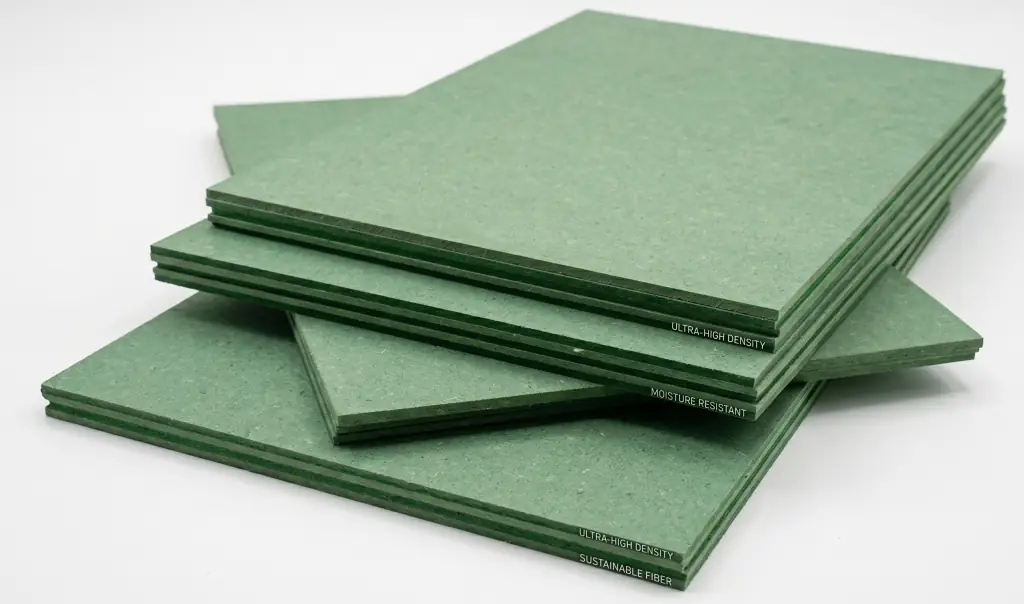
MR plywood is commonly known as Moisture Resistant plywood. It is designed for use in relatively dry interior environments and can be suitable for furniture and interior applications where regular exposure to moisture is not expected.
MR plywood should not be considered waterproof. It is generally better suited for dry areas and applications with limited moisture exposure.
What Is BWR Plywood?
BWR stands for Boiling Water Resistant. BWR plywood offers better resistance to moisture than standard MR plywood and is commonly considered for areas where occasional moisture exposure may occur.
It can be used for selected kitchen and bathroom-related furniture applications when the appropriate grade and installation methods are chosen.
What Is BWP Plywood?
BWP stands for Boiling Waterproof. BWP plywood is designed for higher moisture resistance and is commonly selected for applications where the material may experience greater exposure to moisture.
It is often considered for modular kitchen cabinets and other areas where moisture resistance is an important requirement.
MR vs BWR vs BWP
MR plywood is generally suitable for relatively dry interior applications.
BWR plywood provides improved resistance to moisture and can be considered for areas with occasional moisture exposure.
BWP plywood provides a higher level of water resistance and can be considered for applications where moisture exposure is a greater concern.
Which Plywood Is Better for a Modular Kitchen?
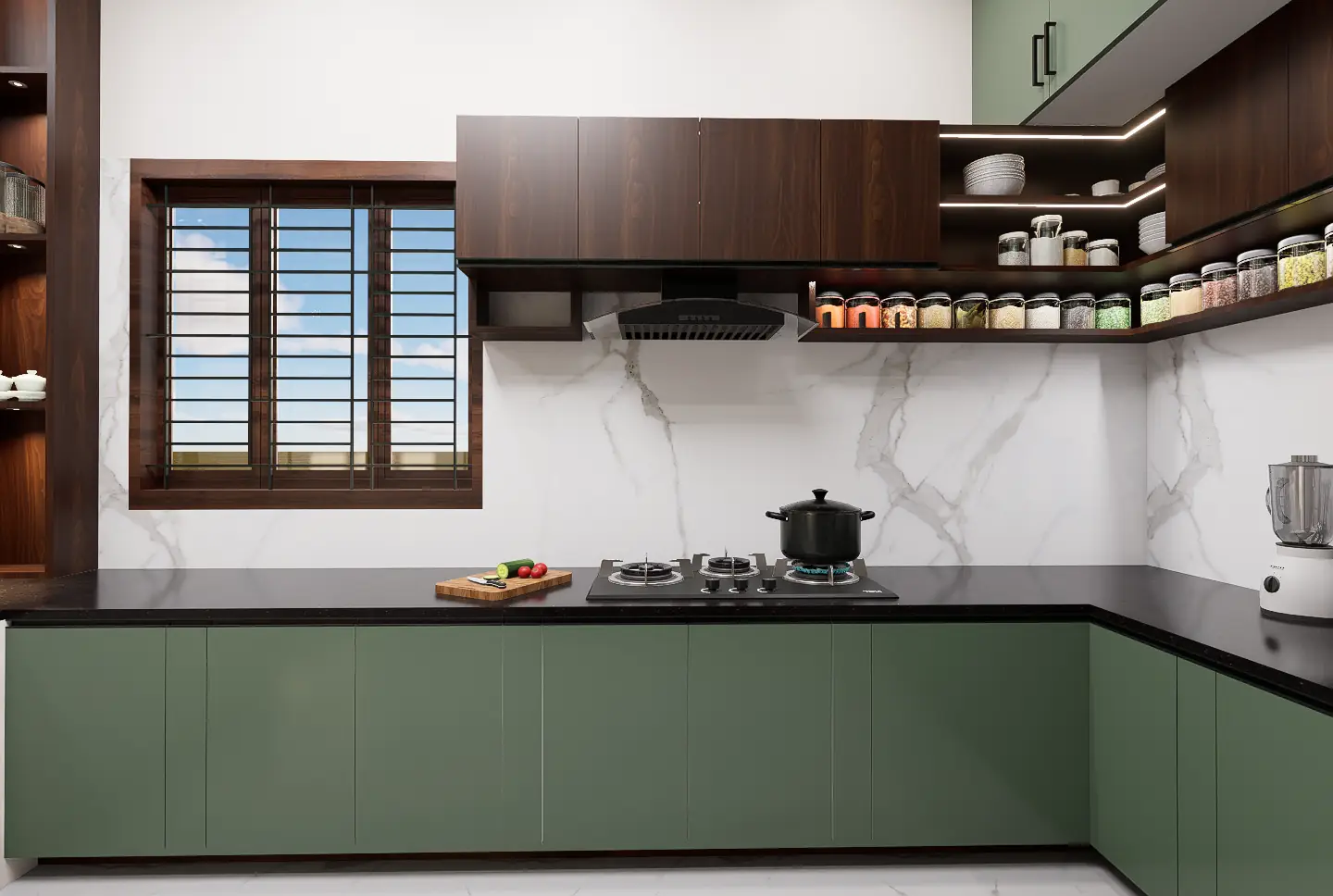
The appropriate plywood depends on the location and component of the kitchen. Areas close to sinks and other moisture-prone locations require careful material selection and proper edge protection.
BWR or BWP-grade plywood may be considered for kitchen applications where increased moisture resistance is required.
However, plywood grade alone does not determine the life of a kitchen. Proper installation, edge sealing, hardware quality, ventilation, plumbing protection and regular maintenance also play important roles.
Which Plywood Should You Choose?
There is no single plywood type that is suitable for every part of a home interior.
The selection should consider:
Moisture exposure
Application and location
Required strength
Board thickness
Surface finish
Hardware and installation method
Expected usage
Overall project budget
A professional interior designer can help select the appropriate material for each part of the project rather than using the same material everywhere.
Plywood Selection at HomeDen
At HomeDen Interior Firm, we consider the intended application, location, design requirements and expected usage when recommending materials for modular kitchens and other home interiors.
The goal is to provide a practical combination of durability, functionality, appearance and value for every interior project.