Understanding HDHMR
HDHMR vs Plywood: Which Material Is Better for Home Interiors?
Choosing the right board material is important when planning modular kitchens, wardrobes, TV units, storage cabinets, and other home interiors. HDHMR and plywood are two popular options, but each has different characteristics and applications.
What Is HDHMR?
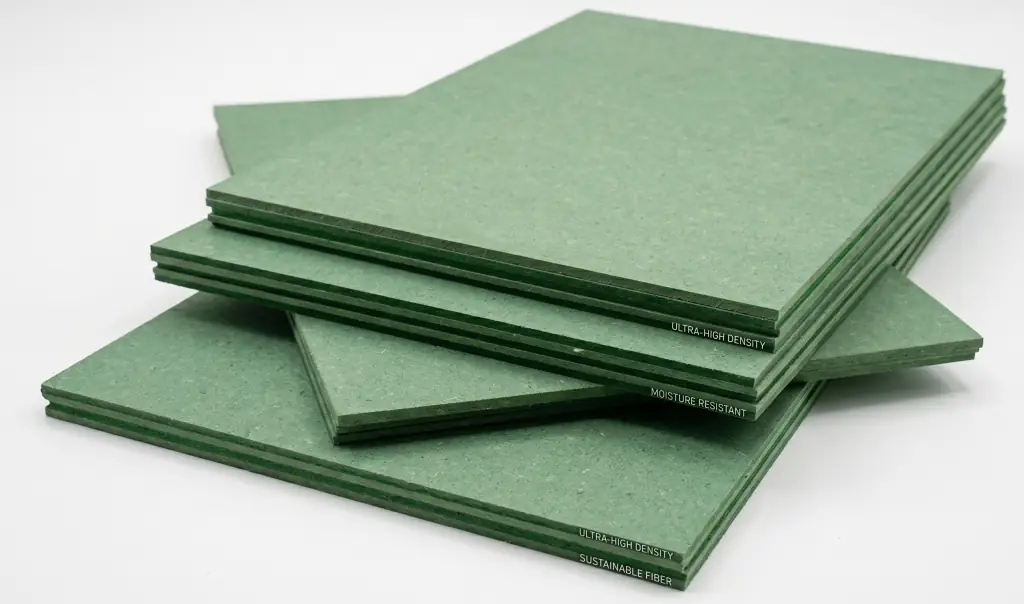
HDHMR stands for High Density High Moisture Resistance board. It is an engineered wood product manufactured using refined wood fibres compressed under high pressure and temperature.
Its dense and uniform structure provides a smooth surface and good resistance to moisture compared with many standard fibreboard products.
What Is Plywood?
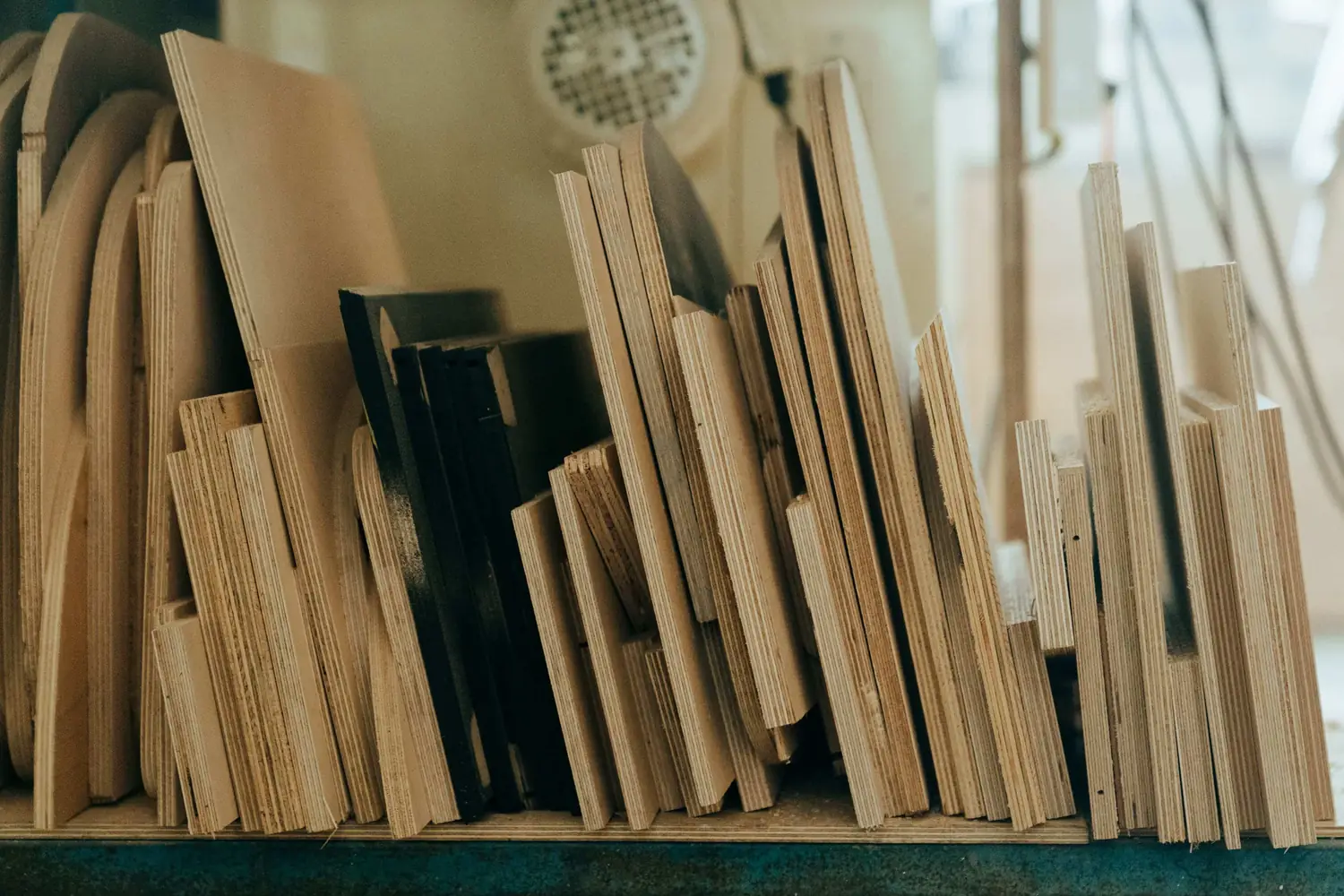
Plywood is made by bonding multiple layers of wood veneer together, with the grain direction of adjacent layers generally placed at different angles. This construction provides good strength and dimensional stability.
Plywood is widely used for kitchen cabinets, wardrobes, furniture, and other structural applications.
HDHMR vs Plywood
Strength:
Plywood is generally preferred where high structural strength and screw-holding performance are important. HDHMR provides good strength for many furniture and interior applications, particularly when used appropriately.
Moisture Resistance:
HDHMR is designed to provide improved moisture resistance compared with conventional MDF. However, the correct plywood grade can also provide excellent performance in moisture-prone areas.
Surface Finish:
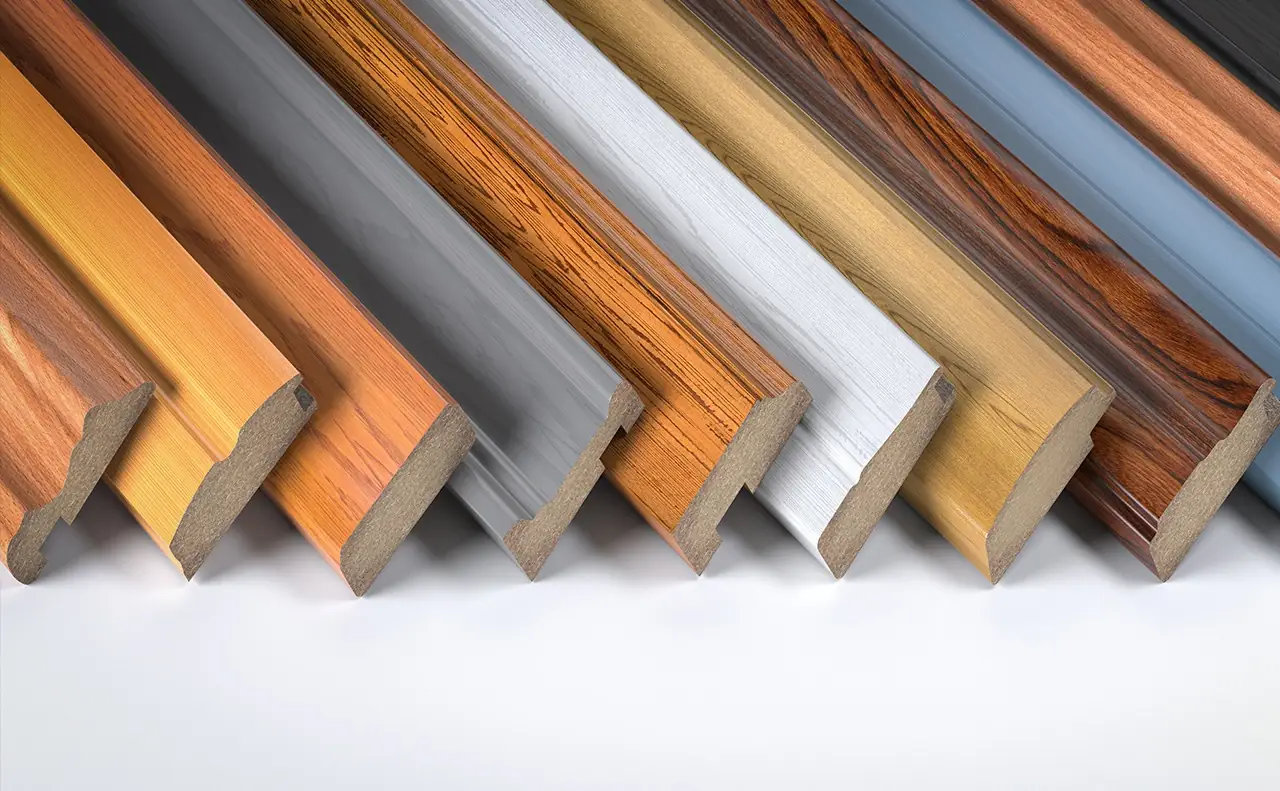
HDHMR has a smooth and uniform surface that works well with laminates, paints, and decorative finishes. Plywood can also provide excellent finishing results when properly prepared.
Durability:
Both materials can provide long-lasting performance when the appropriate grade, thickness, hardware, edge treatment, and installation method are selected.
Cost:
The cost depends on the material grade, thickness, brand, finish, and application. The most economical choice should be evaluated based on the complete project rather than the board price alone.
Where Is HDHMR Suitable?
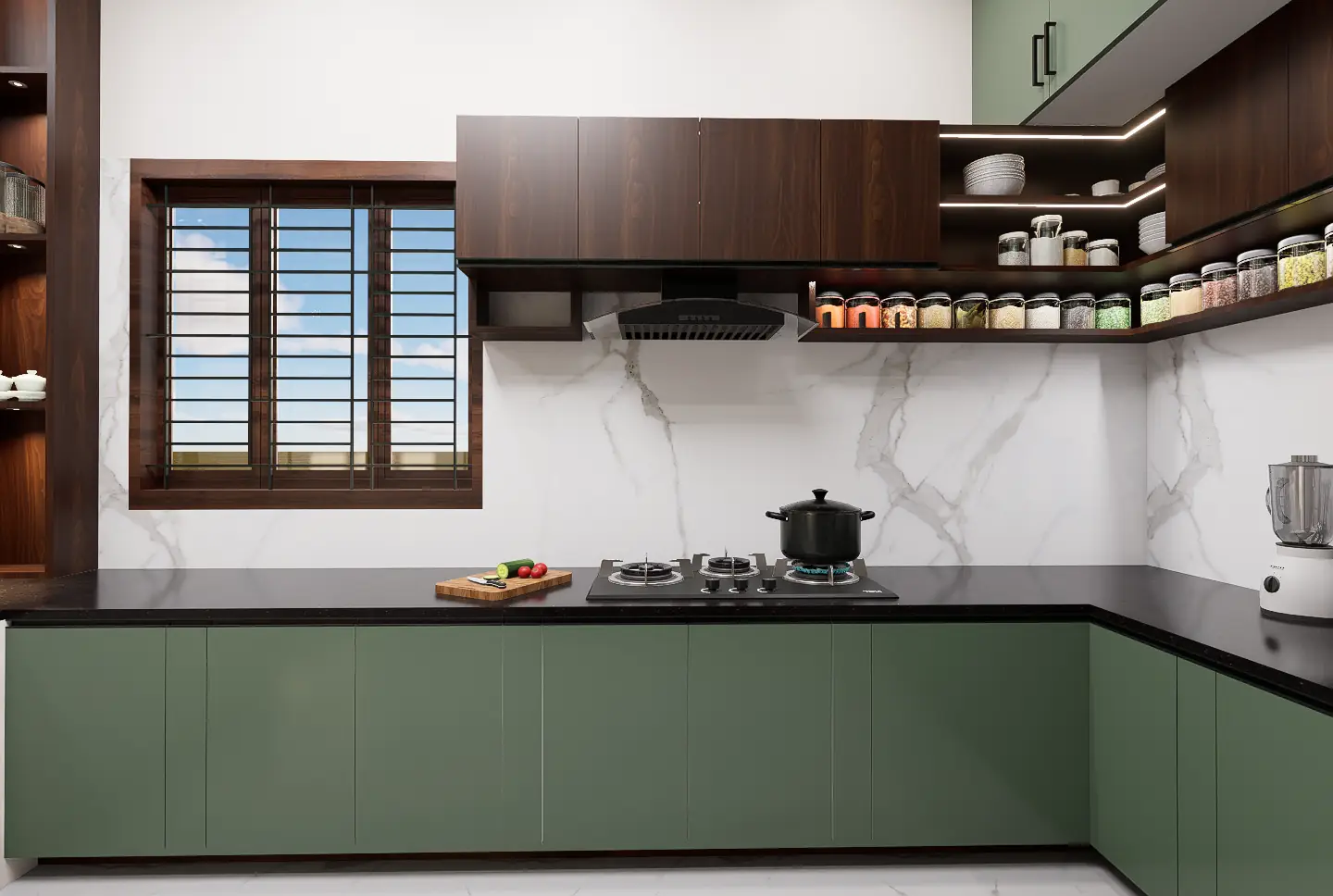
HDHMR can be considered for wardrobe shutters, cabinets, TV units, storage units, decorative furniture, and other interior applications where a smooth and dense engineered board is suitable.
Where Is Plywood Suitable?
Plywood is commonly selected for modular kitchen carcasses, wardrobes, furniture structures, and applications where structural strength and durability are important.
Which One Should You Choose?
There is no single material that is ideal for every interior application. The correct choice depends on the location, moisture exposure, structural requirements, design, finish, expected usage, and budget.
For a modular kitchen or wardrobe, different materials may even be suitable for different components of the same project.
At HomeDen Interior Firm, we help customers select suitable materials based on the application, design requirements, durability expectations, and overall project requirements.