Understanding Modular Kitchen Materials
How to Choose the Right Material for a Modular Kitchen
Choosing the right material is one of the most important decisions when planning a modular kitchen. The material used for the cabinet structure, shutters and finishes can affect durability, appearance, maintenance and overall project cost.
Plywood for Kitchen Cabinets
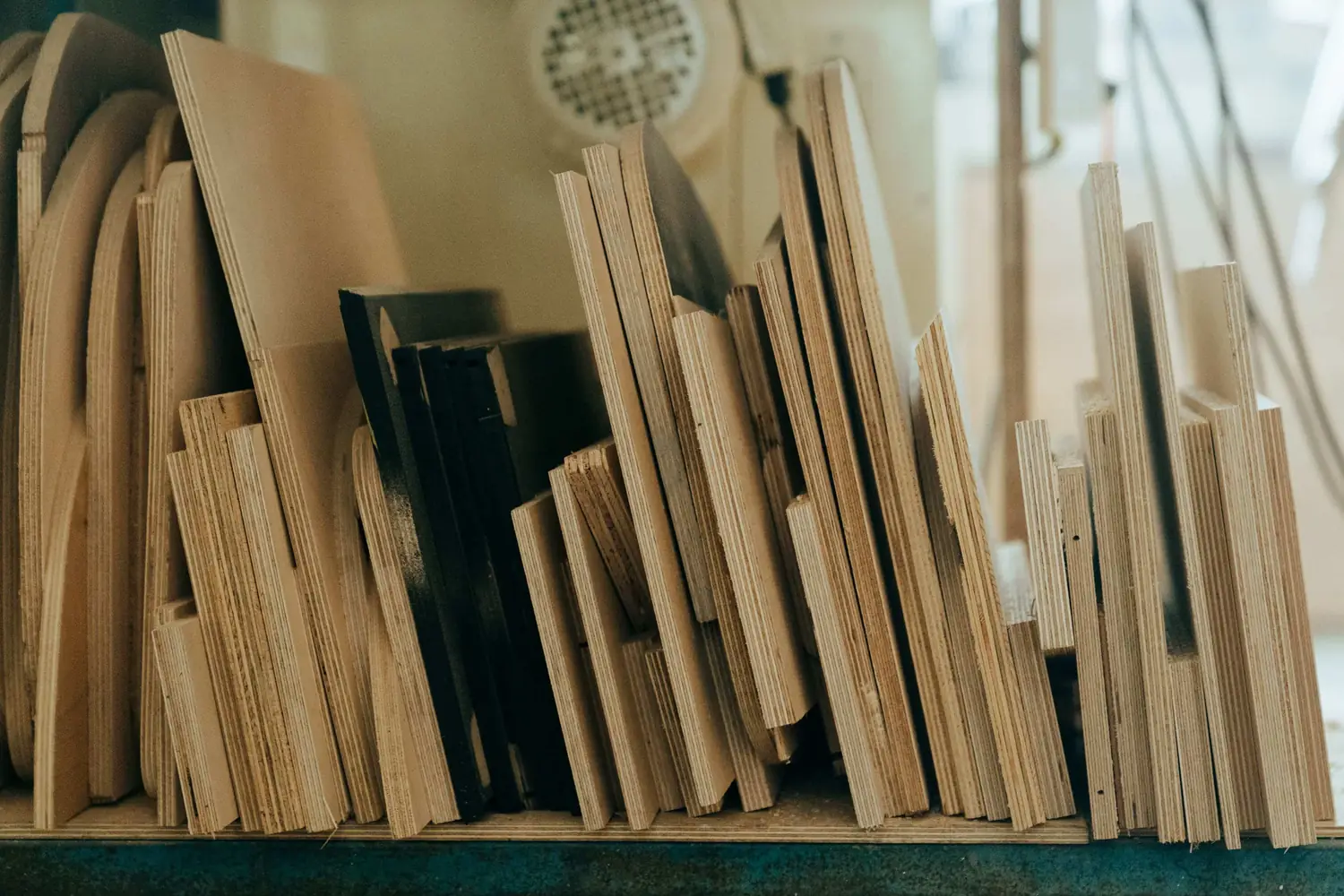
Plywood is widely used for modular kitchen structures because of its strength and dimensional stability. The appropriate plywood grade can provide good performance in areas where moisture resistance is important.
Plywood can be considered for kitchen carcasses, cabinets and other structural components.
HDHMR for Kitchen Interiors
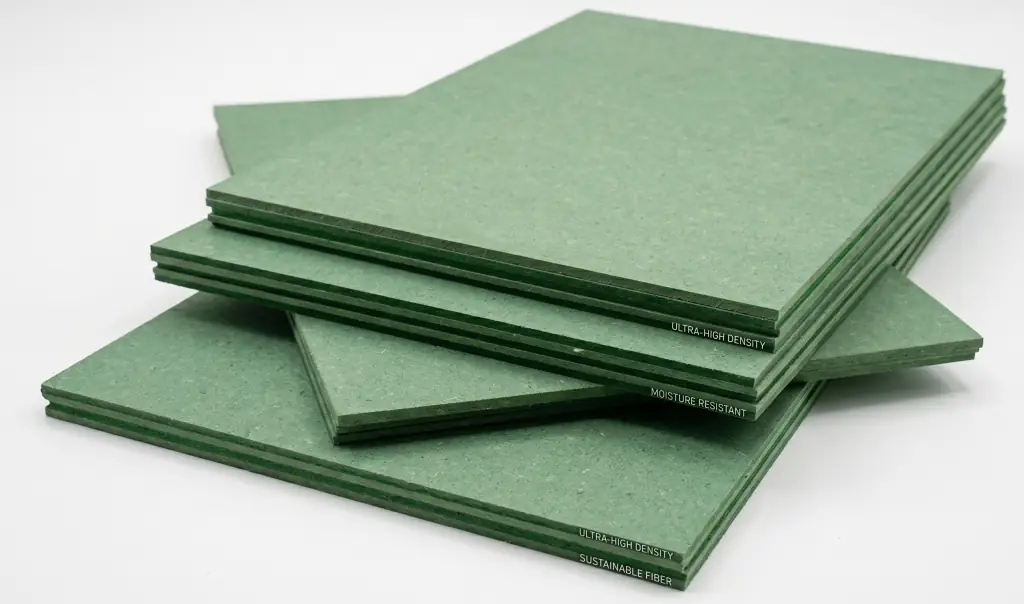
HDHMR is a dense engineered wood board with a smooth and uniform surface. It can be suitable for selected kitchen cabinets, shutters and furniture components depending on the design and application.
It is particularly useful where a smooth surface is required for finishing.
MDF for Selected Components
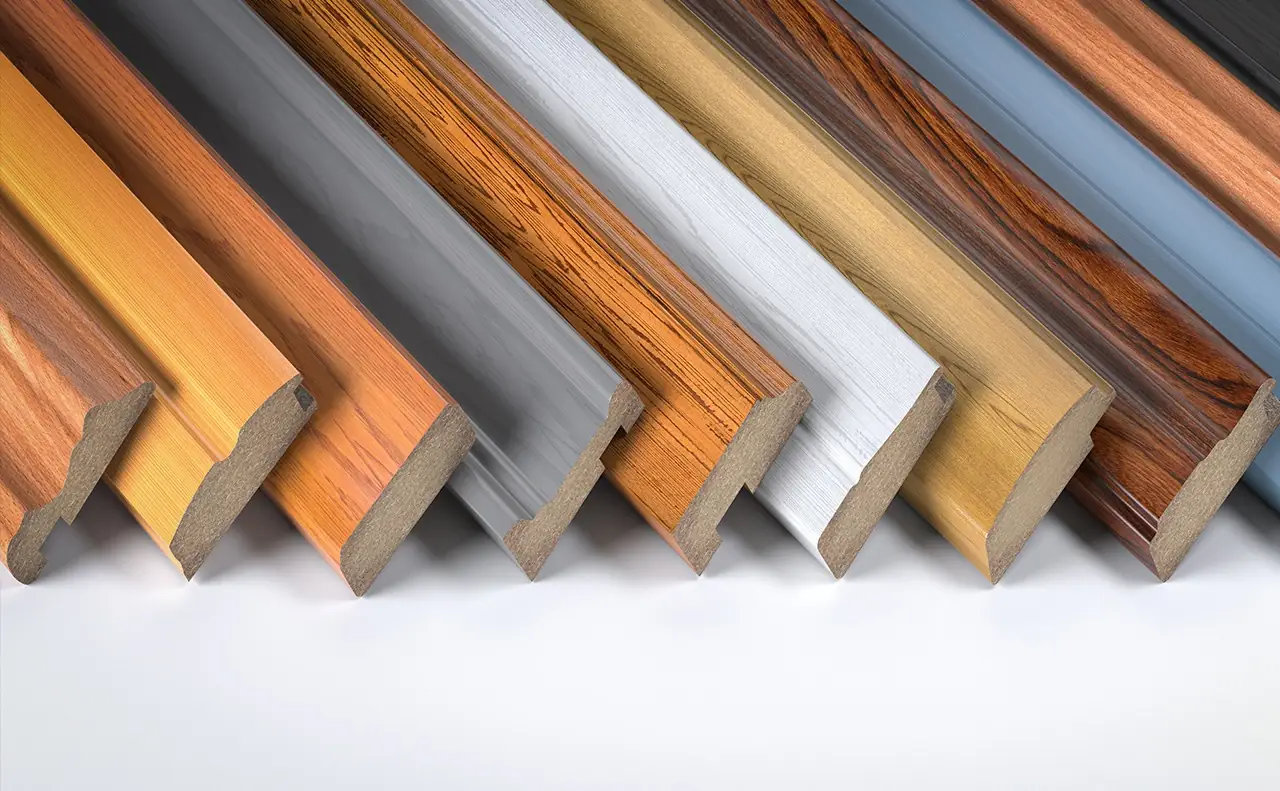
MDF provides a smooth and consistent surface and can be useful for decorative kitchen components and painted shutters.
However, material selection should consider the moisture exposure and structural requirements of the specific kitchen component.
Choosing the Right Shutter Material
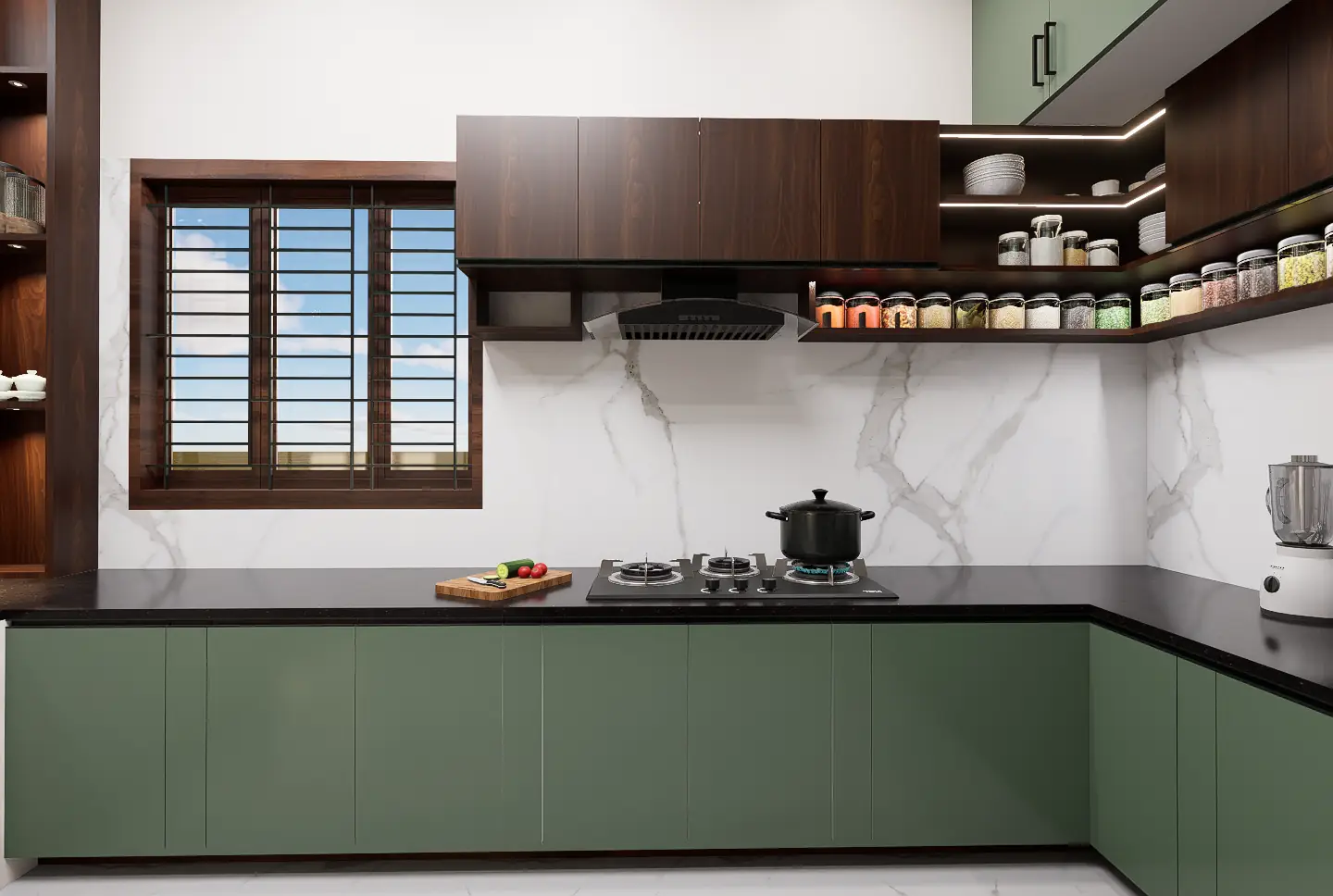
Kitchen shutters are available in several finishes and materials, including laminates, acrylic, membrane finishes, glass and painted surfaces.
The best choice depends on the desired appearance, cleaning requirements, durability expectations and budget.
Consider Moisture Exposure
The kitchen contains several areas where moisture can occur, particularly around the sink and plumbing connections.
Materials should therefore be selected according to their intended location, while proper edge sealing and installation are also important for long-term performance.
Consider Maintenance
A kitchen material should not only look attractive but should also be practical to maintain.
Easy-to-clean finishes can be particularly useful for frequently used kitchen surfaces. The choice of finish should also consider fingerprints, stains, scratches and regular cleaning requirements.
Consider Your Budget
Material selection should be based on the overall kitchen budget rather than choosing the cheapest material for every component.
A balanced approach can use different materials for different parts of the kitchen depending on their structural and decorative requirements.
Important Factors to Consider
When selecting materials for a modular kitchen, consider:
Durability
Moisture resistance
Structural strength
Surface finish
Ease of maintenance
Hardware compatibility
Design requirements
Expected usage
Overall budget
Professional Material Selection
There is no single material that is best for every kitchen. Different materials can be selected for different components based on their purpose and location.
At HomeDen Interior Firm, we help homeowners select suitable materials and finishes for their modular kitchens based on design, functionality, durability and budget.
A well-planned material selection can help create a kitchen that is attractive, practical and designed for long-term everyday use.